


Empowering Communities Through ZNAPD Advocacy Programs

Empowerment is the foundation of progress, especially for persons with physical disabilities. In Zambia, the Zambia National Association of Persons with Physical Disabilities (ZNAPD) is at the forefront of this movement. Their advocacy programs are designed to foster independence, promote inclusion, and eliminate discrimination. Through targeted training and community engagement, ZNAPD is transforming lives and building stronger, more inclusive communities.
The Role of ZNAPD Advocacy Programs in Zambia
ZNAPD advocacy programs serve as a vital platform for persons with physical disabilities to voice their concerns and assert their rights. These programs focus on education, awareness, and skill-building to ensure that individuals can participate fully in society. The goal is clear: to create an environment where physical disabilities do not limit opportunities or quality of life.
The programs include workshops, seminars, and community outreach initiatives. They cover topics such as legal rights, accessibility, health care, and employment opportunities. By equipping members with knowledge and tools, ZNAPD helps them navigate challenges and advocate for themselves effectively.
One key aspect of these programs is collaboration with local authorities and organizations. This partnership approach ensures that advocacy efforts are supported by policy changes and community resources. It also helps to raise public awareness about the needs and potential of persons with physical disabilities.
How ZNAPD Advocacy Training Builds Confidence and Skills
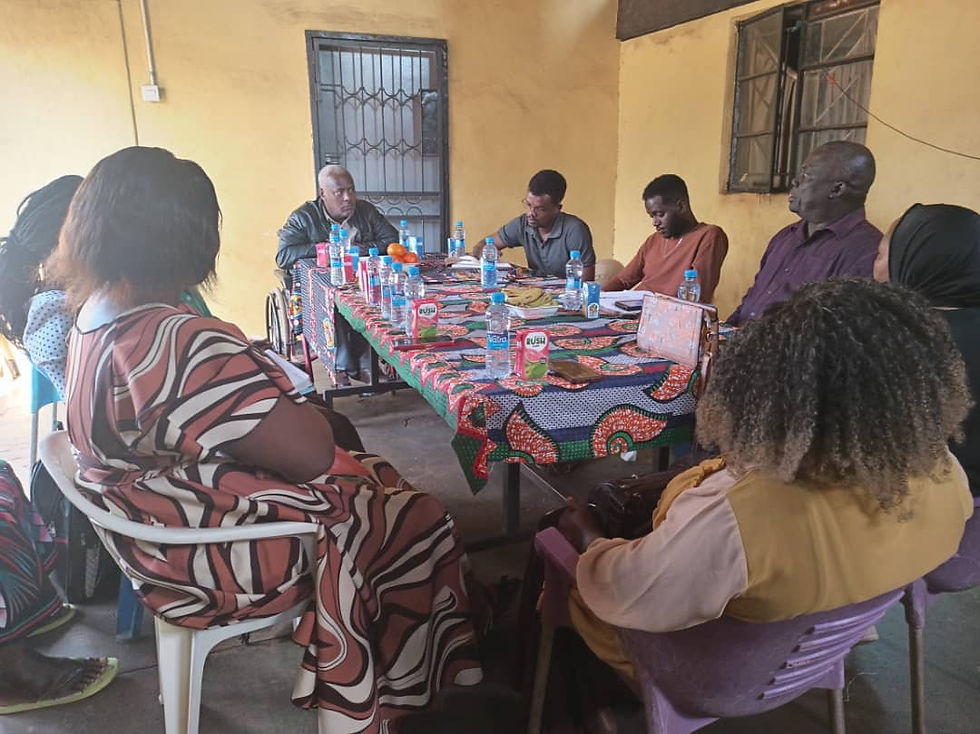
The heart of ZNAPD’s success lies in its advocacy training. This training is designed to empower individuals by building confidence and practical skills. Participants learn how to communicate their needs clearly, understand their rights, and engage with decision-makers.
Training sessions often include role-playing exercises, group discussions, and real-life case studies. These methods help participants practice self-advocacy in a supportive environment. The training also covers how to use social media and other platforms to raise awareness and influence public opinion.
Importantly, the training is inclusive and accessible. Materials are provided in formats that accommodate different needs, and trainers are sensitive to the challenges faced by persons with physical disabilities. This approach ensures that everyone can benefit fully from the program.
By participating in these sessions, individuals gain a sense of empowerment that extends beyond the training room. They become advocates not only for themselves but also for their communities, inspiring others to take action.

What are examples of self-advocacy in disability?
Self-advocacy is a powerful tool for persons with physical disabilities. It involves speaking up for oneself, making informed decisions, and seeking support when needed. Here are some practical examples of self-advocacy that are encouraged through ZNAPD programs:
Requesting reasonable accommodations - Whether at work, school, or public spaces, individuals learn to ask for necessary adjustments such as ramps, accessible restrooms, or flexible work hours.
Navigating healthcare services - Advocates are trained to communicate effectively with healthcare providers to ensure they receive appropriate treatment and understand their medical options.
Engaging with policymakers - Participants learn how to participate in public forums, write letters, or meet with local officials to influence policies affecting their rights and access.
Building support networks - Self-advocacy includes connecting with peer groups and community organizations to share experiences and resources.
Using technology for advocacy - Training includes how to use digital tools to raise awareness, share stories, and mobilize support.
These examples demonstrate how self-advocacy empowers individuals to take control of their lives and contribute to societal change.
Practical Steps to Get Involved with ZNAPD Advocacy Programs
Getting involved with ZNAPD advocacy programs is straightforward and rewarding. Here are some actionable steps for those interested:
Contact ZNAPD directly - Reach out via their official channels to inquire about upcoming training sessions and events.
Attend local workshops - Participate in community-based programs to gain firsthand experience and connect with others.
Volunteer as a peer mentor - Experienced advocates can support new members by sharing knowledge and encouragement.
Engage in community outreach - Help spread awareness by organizing or joining local campaigns and events.
Utilize online resources - Access training materials and advocacy guides available through ZNAPD’s platforms.
By taking these steps, individuals can become active participants in building an inclusive society.
The Impact of Advocacy on Community Development
Advocacy is not just about individual empowerment; it also drives community development. When persons with physical disabilities are equipped to advocate for their rights, communities benefit in multiple ways:
Improved accessibility - Advocacy leads to better infrastructure, such as ramps and accessible transportation, benefiting everyone.
Inclusive policies - Local governments adopt policies that promote equal opportunities in education, employment, and healthcare.
Social cohesion - Awareness campaigns reduce stigma and foster understanding among community members.
Economic participation - Empowered individuals contribute to the economy through employment and entrepreneurship.
Stronger support networks - Communities develop resources and services tailored to diverse needs.
The ripple effect of advocacy strengthens the social fabric and promotes sustainable development.
Continuing the Journey of Empowerment
Empowerment through advocacy is an ongoing journey. ZNAPD’s commitment to providing continuous support and training ensures that persons with physical disabilities remain active agents of change. By embracing these programs, individuals and communities can work together to build a Zambia where everyone has the opportunity to thrive.
For those ready to take the next step, exploring znapd advocacy training is a valuable starting point. This training equips participants with the knowledge and confidence to advocate effectively and create lasting impact.
Together, we can foster a society that values inclusion, respects diversity, and champions the rights of all its members. The path to empowerment begins with a single step - and ZNAPD is here to guide the way.


Comments