The Zambia National Association of Persons with Disabilities (ZNAPD) proudly joined the rest of the world in commemorating International Women’s Day on 8th March, under the global theme: “Rights, Justice, Action, for All Women and Girls.”
This year’s theme calls for stronger action to ensure women and girls everywhere enjoy equal rights, protection under the law, and meaningful opportunities to participate in society. Globally, women still experience inequalities in areas such as education, employment, safety, and access to justice, making collective action essential to achieve true gender equality.
ZNAPD women joyfully singing as they prepare to march, reflecting a positive and united atmosphere during the International Women's Day Celebrations in Ndola.
Promoting Inclusion and Empowerment
During the celebrations, ZNAPD women with disabilities took part in the commemorative march, proudly displaying a banner highlighting the theme and advocating for the inclusion of women with disabilities in national development.
The event showcased the strength, resilience, and leadership of women with disabilities who continue to advocate for their rights and equal participation in society. Using adapted mobility tricycles, the women demonstrated that disability should never be a barrier to participation, empowerment, and visibility.
Advocating for the Rights of Women with Disabilities
ZNAPD emphasized that women with disabilities often face multiple layers of discrimination, including barriers to education, employment, healthcare, and justice. The organization continues to advocate for policies and programs that ensure women and girls with disabilities are not left behind.
Through continued advocacy, community engagement, and partnerships, ZNAPD remains committed to promoting:
Equal rights and opportunities for women with disabilities
Accessible and inclusive communities
Protection from discrimination and gender-based violence
As Zambia joins the global community in celebrating women’s achievements, ZNAPD calls on government, civil society, and development partners to strengthen efforts toward inclusive policies and programs that uphold the rights, dignity, and empowerment of all women and girls, including those with disabilities.
Together, we can build a society where rights are protected, justice is accessible, and meaningful action ensures no woman or girl is left behind.
Empowerment is the foundation of progress, especially for persons with physical disabilities. In Zambia, the Zambia National Association of Persons with Physical Disabilities (ZNAPD) is at the forefront of this movement. Their advocacy programs are designed to foster independence, promote inclusion, and eliminate discrimination. Through targeted training and community engagement, ZNAPD is transforming lives and building stronger, more inclusive communities.
The Role of ZNAPD Advocacy Programs in Zambia
ZNAPD advocacy programs serve as a vital platform for persons with physical disabilities to voice their concerns and assert their rights. These programs focus on education, awareness, and skill-building to ensure that individuals can participate fully in society. The goal is clear: to create an environment where physical disabilities do not limit opportunities or quality of life.
The programs include workshops, seminars, and community outreach initiatives. They cover topics such as legal rights, accessibility, health care, and employment opportunities. By equipping members with knowledge and tools, ZNAPD helps them navigate challenges and advocate for themselves effectively.
One key aspect of these programs is collaboration with local authorities and organizations. This partnership approach ensures that advocacy efforts are supported by policy changes and community resources. It also helps to raise public awareness about the needs and potential of persons with physical disabilities.
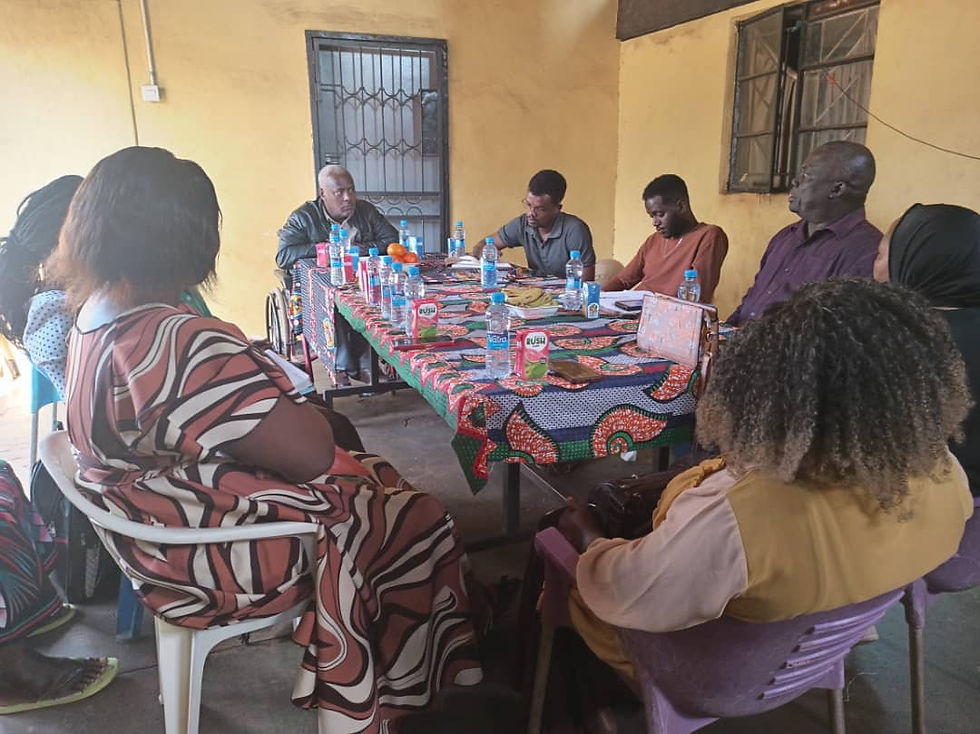
Community hall prepared for ZNAPD advocacy workshop
How ZNAPD Advocacy Training Builds Confidence and Skills
The heart of ZNAPD’s success lies in its advocacy training. This training is designed to empower individuals by building confidence and practical skills. Participants learn how to communicate their needs clearly, understand their rights, and engage with decision-makers.
Training sessions often include role-playing exercises, group discussions, and real-life case studies. These methods help participants practice self-advocacy in a supportive environment. The training also covers how to use social media and other platforms to raise awareness and influence public opinion.
Importantly, the training is inclusive and accessible. Materials are provided in formats that accommodate different needs, and trainers are sensitive to the challenges faced by persons with physical disabilities. This approach ensures that everyone can benefit fully from the program.
By participating in these sessions, individuals gain a sense of empowerment that extends beyond the training room. They become advocates not only for themselves but also for their communities, inspiring others to take action.
Training materials used in ZNAPD advocacy sessions
What are examples of self-advocacy in disability?
Self-advocacy is a powerful tool for persons with physical disabilities. It involves speaking up for oneself, making informed decisions, and seeking support when needed. Here are some practical examples of self-advocacy that are encouraged through ZNAPD programs:
Requesting reasonable accommodations - Whether at work, school, or public spaces, individuals learn to ask for necessary adjustments such as ramps, accessible restrooms, or flexible work hours.
Navigating healthcare services - Advocates are trained to communicate effectively with healthcare providers to ensure they receive appropriate treatment and understand their medical options.
Engaging with policymakers - Participants learn how to participate in public forums, write letters, or meet with local officials to influence policies affecting their rights and access.
Building support networks - Self-advocacy includes connecting with peer groups and community organizations to share experiences and resources.
Using technology for advocacy - Training includes how to use digital tools to raise awareness, share stories, and mobilize support.
These examples demonstrate how self-advocacy empowers individuals to take control of their lives and contribute to societal change.
Practical Steps to Get Involved with ZNAPD Advocacy Programs
Getting involved with ZNAPD advocacy programs is straightforward and rewarding. Here are some actionable steps for those interested:
Contact ZNAPD directly - Reach out via their official channels to inquire about upcoming training sessions and events.
Attend local workshops - Participate in community-based programs to gain firsthand experience and connect with others.
Volunteer as a peer mentor - Experienced advocates can support new members by sharing knowledge and encouragement.
Engage in community outreach - Help spread awareness by organizing or joining local campaigns and events.
Utilize online resources - Access training materials and advocacy guides available through ZNAPD’s platforms.
By taking these steps, individuals can become active participants in building an inclusive society.
The Impact of Advocacy on Community Development
Advocacy is not just about individual empowerment; it also drives community development. When persons with physical disabilities are equipped to advocate for their rights, communities benefit in multiple ways:
Improved accessibility - Advocacy leads to better infrastructure, such as ramps and accessible transportation, benefiting everyone.
Inclusive policies - Local governments adopt policies that promote equal opportunities in education, employment, and healthcare.
Social cohesion - Awareness campaigns reduce stigma and foster understanding among community members.
Economic participation - Empowered individuals contribute to the economy through employment and entrepreneurship.
Stronger support networks - Communities develop resources and services tailored to diverse needs.
The ripple effect of advocacy strengthens the social fabric and promotes sustainable development.
Continuing the Journey of Empowerment
Empowerment through advocacy is an ongoing journey. ZNAPD’s commitment to providing continuous support and training ensures that persons with physical disabilities remain active agents of change. By embracing these programs, individuals and communities can work together to build a Zambia where everyone has the opportunity to thrive.
For those ready to take the next step, exploring znapd advocacy training is a valuable starting point. This training equips participants with the knowledge and confidence to advocate effectively and create lasting impact.
Together, we can foster a society that values inclusion, respects diversity, and champions the rights of all its members. The path to empowerment begins with a single step - and ZNAPD is here to guide the way.
The Zambia National Association of Persons with Physical Disabilities (ZNAPD) plays a vital role in fostering an inclusive society where individuals with physical disabilities can live independently and with dignity. Over the years, ZNAPD has developed a comprehensive portfolio of services designed to empower its members through advocacy, support, and community engagement. In this post, I will take you through a detailed exploration of ZNAPD's services portfolio, highlighting how these offerings contribute to the full participation and development of persons with physical disabilities in Zambia.
Understanding the Scope of ZNAPD Disability Services
ZNAPD’s disability services are tailored to address the unique challenges faced by persons with physical disabilities. These services are not only about providing immediate assistance but also about creating sustainable opportunities for growth and independence. The organization focuses on several key areas:
Advocacy and Rights Protection: Ensuring that the rights of persons with physical disabilities are recognized and upheld in all spheres of life.
Capacity Building and Skills Development: Offering training programs that enhance employability and self-reliance.
Community Integration: Facilitating social inclusion through awareness campaigns and community projects.
Support Services: Providing access to assistive devices, counseling, and rehabilitation.
Each of these areas is critical in breaking down barriers and promoting equality.
Accessible entrance with wheelchair ramp
Key Programs Within ZNAPD Disability Services
One of the strengths of ZNAPD lies in its well-structured programs that directly impact the lives of its members. Here are some of the flagship programs:
Advocacy and Legal Support
ZNAPD actively engages with government bodies and policymakers to influence legislation that protects the rights of persons with physical disabilities. They provide legal advice and support to members facing discrimination or accessibility issues. This program empowers individuals to stand up for their rights and seek justice when needed.
Skills Training and Employment Support
Recognizing the importance of economic independence, ZNAPD offers vocational training in areas such as tailoring, carpentry, and computer literacy. These skills open doors to employment or entrepreneurship. Additionally, the organization collaborates with local businesses to create job placement opportunities for trained members.
Health and Rehabilitation Services
Access to healthcare and rehabilitation is essential for maintaining quality of life. ZNAPD facilitates physiotherapy sessions, provides assistive devices like wheelchairs and crutches, and organizes health awareness workshops. These services help members manage their conditions effectively and improve mobility.
Community Awareness and Inclusion
To foster a supportive environment, ZNAPD runs campaigns that educate communities about physical disabilities. These initiatives challenge stigma and encourage inclusive attitudes. Community events and sports activities organized by ZNAPD also promote social interaction and mutual understanding.
How ZNAPD’s Services Make a Difference
The impact of ZNAPD’s services is evident in the stories of individuals who have gained confidence, skills, and independence. For example, a member who completed a tailoring course through ZNAPD now runs a small business, employing others with disabilities. Another beneficiary received a wheelchair through the organization, enabling them to attend school regularly.
The organization’s approach is holistic, addressing not just physical needs but also emotional and social well-being. This comprehensive support system helps members overcome obstacles and participate fully in society.
Assistive devices provided for physical disability support
Accessing ZNAPD Profile Services
For those interested in learning more or accessing support, ZNAPD maintains a detailed znapd profile services platform. This resource provides information on available programs, eligibility criteria, and contact details. It is designed to be user-friendly and accessible, ensuring that persons with physical disabilities and their families can easily find the help they need.
I encourage anyone seeking assistance or wishing to contribute to the cause to explore this platform. It is a gateway to valuable resources and community connections.
Moving Forward: Strengthening Inclusion and Independence
As Zambia continues to develop, the role of organizations like ZNAPD becomes increasingly important. The services they offer are foundational to building a society where persons with physical disabilities are not marginalized but empowered. Continued investment in advocacy, training, and community engagement will expand opportunities and improve quality of life.
I believe that by supporting ZNAPD’s mission and utilizing their services, individuals with physical disabilities can achieve greater independence and contribute meaningfully to their communities. Together, we can work towards a future where inclusion is the norm, not the exception.
This deep dive into ZNAPD’s services portfolio highlights the organization's commitment to creating an inclusive Zambia. Their comprehensive approach addresses the diverse needs of persons with physical disabilities, fostering empowerment and equality. Whether through advocacy, skills development, or community integration, ZNAPD stands as a beacon of hope and progress.